

Cogeneration
Power and useful heat from a single fuel
- Cogeneration
- 56+ MWdeveloped in Mexico: studies, design and EPC
- Energy generated
- 2,900+ GWhestimated from the group’s plants in Mexico
- Documented savings
- 45%in Alestra’s energy cost, Querétaro
- A first
- 2009first residential and commercial self-supply permit, Bosque Real
Large-scale cogeneration
Cogeneration works when it is designed from the site’s thermal demand
A cogeneration plant generates power on site and recovers the engine heat that a conventional power station wastes. Where there is a steady demand for steam, hot water or cooling, that heat turns the same fuel into two or three useful forms of energy. It is the line on which the group built its track record in Mexico.
What cogeneration is
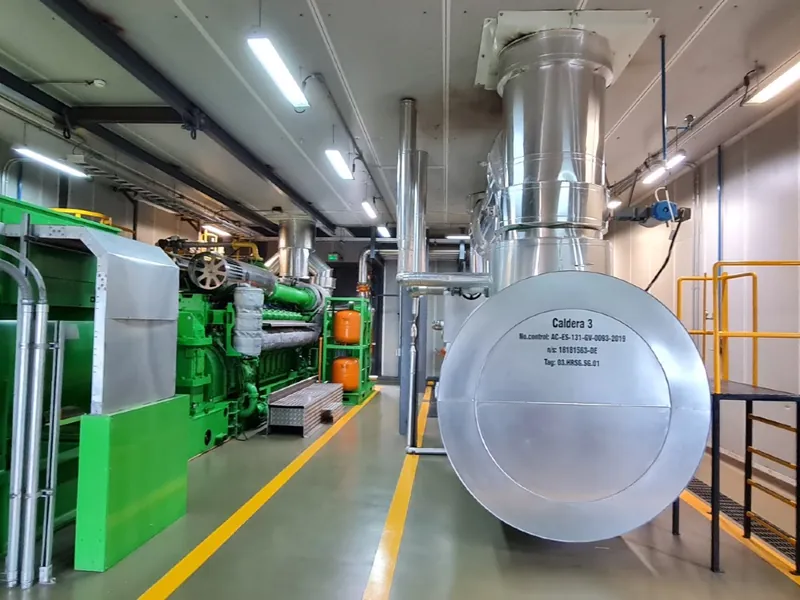
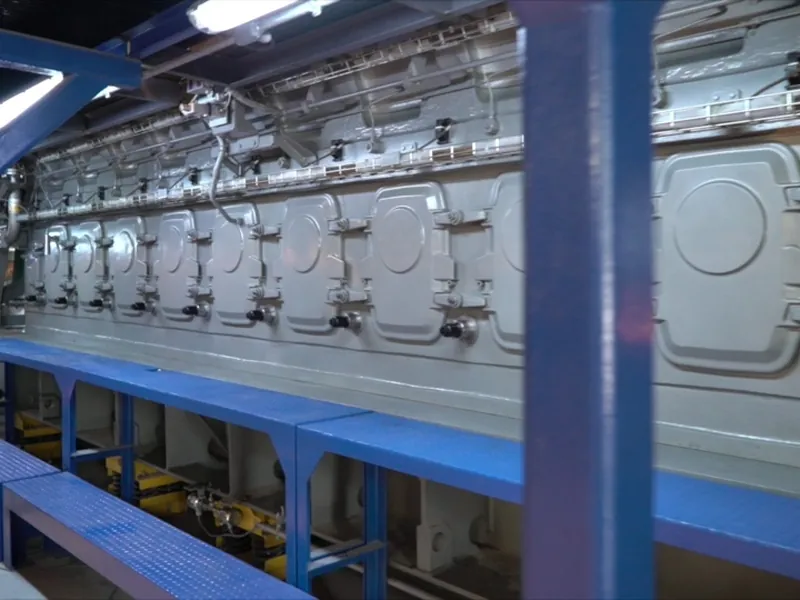
One fuel, two or three useful forms of energyAn engine that generates power also produces heat, in its exhaust gases and its cooling system. Cogeneration recovers it with boilers and heat exchangers and delivers it as steam or hot water to the process. With an absorption chiller, that heat becomes chilled water: that is trigeneration.
At the Cuadritos Industrial Park in Celaya, the heat recovery boilers produce 4 tonnes of steam at 7 bar for the park’s industry. At Alestra in Querétaro, two 350-ton absorption chillers supplied the data center’s chilled water.
In GIS Power’s approach, primary power is solar with storage (BESS). Cogeneration is the answer where the site has a steady thermal demand, and it can be combined with solar in the same plant.
When it is not a fit
- If the site has no steady heat or cooling demand through the year: with no use for the heat, cogeneration is just an engine.
- If there is no natural gas or biogas with enough pressure and capacity, and no viable route to bring it.
- If the operation is not continuous: the engine performs when it runs most of the day.
Lines
Ways to cogenerate
Depending on what the site needsTrigeneration
Power, heat and absorption cooling for data centers, hospitals and buildings.
02Biogas
Engines that run on biogas from organic waste, as at Logistik.
03Energy districts
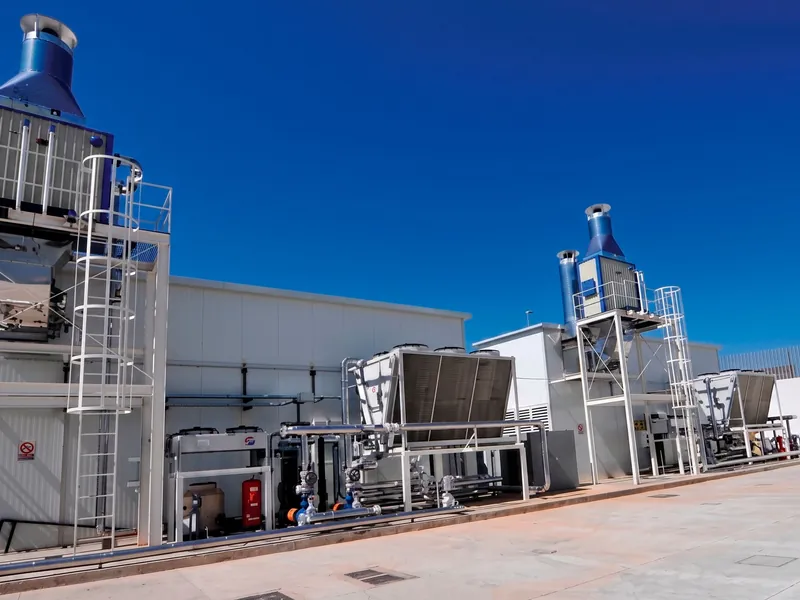
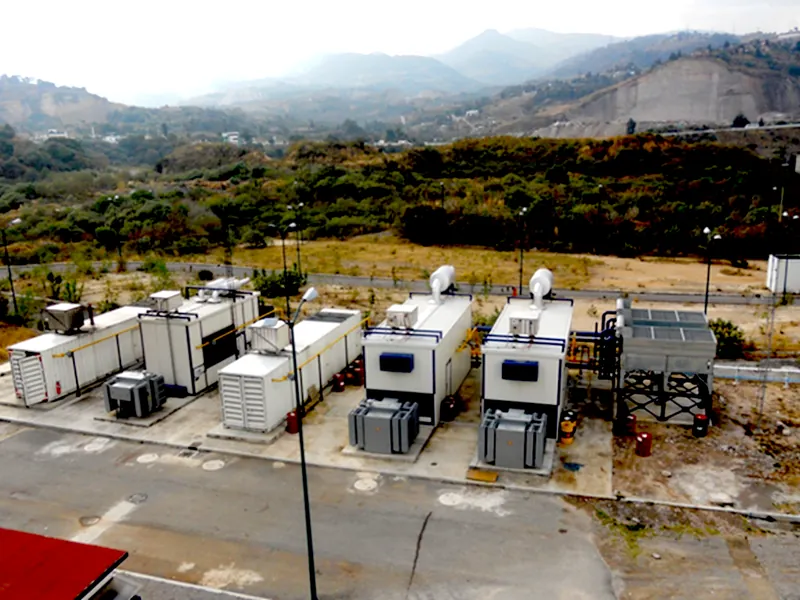
One central plant for a whole industrial park or development, like Cuadritos and Bosque Real.
04Green Data Center
Solar and BESS as primary power; cogeneration and chilled water where they fit.
05Gas supply
Gas solved before the engine: at Cuadritos, a dedicated pipeline from PEMEX.
06Operations and maintenance
24/7 operation with contracted availability.
From feasibility to operation
One party accountable at every stageCogeneration is designed from the thermal balance, not from an engine catalog. First we measure how much heat and cooling the site uses, at what time and for how many months; then we choose the engine.
- Feasibility
The site’s electrical and thermal balance, available gas, financial model and permitting path.
- Structure and finance
One SPV per project, with a 48 to 180 month energy contract.
- Engineering and construction
Full EPC with brand-authorized commercial partners, such as INNIO Jenbacher and Guascor.
- Permits and gas
Filings with the CNE and CENACE, and the gas supply.
- Operation
24/7 operation and maintenance with contracted availability.
Cogeneration projects
Plants designed and built by the group in Mexico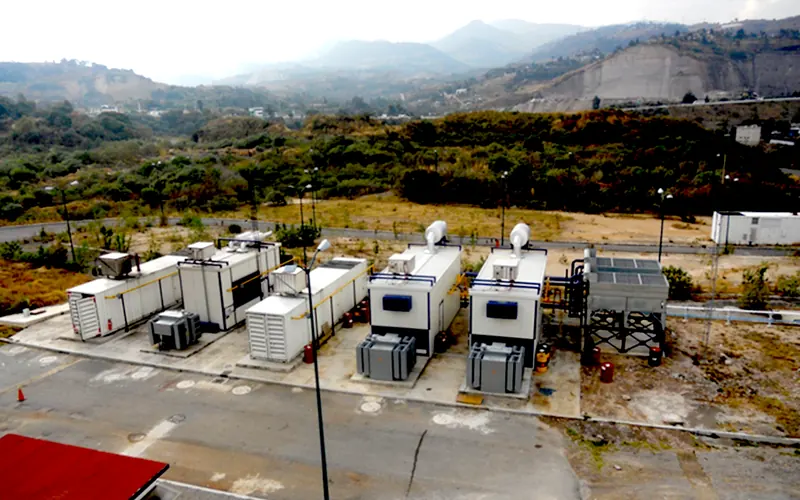 Huixquilucan · 2009 · 7.5 MW
Residencial Bosque Real
Isolated supply with five engines, EPC and operation. The first residential and commercial self-supply permit.
View project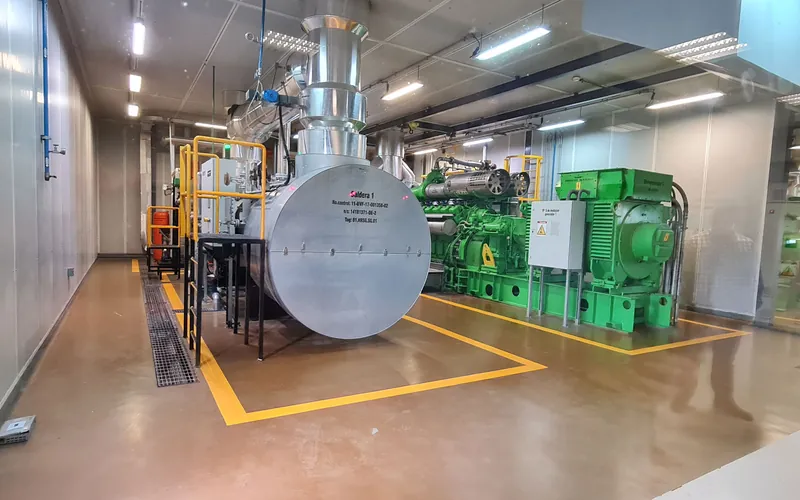 Celaya · 2015 · 4.8 MW
Biotek · Cuadritos Industrial Park
Steam at 7 bar for the park’s industry and a dedicated pipeline from PEMEX.
View project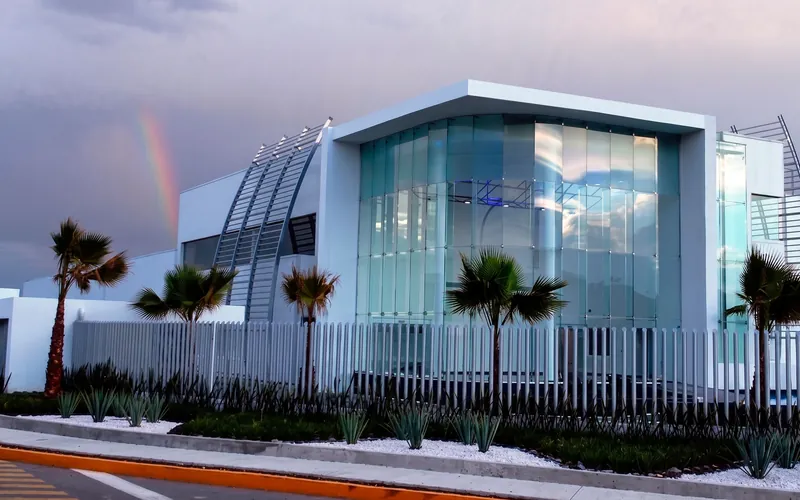 Querétaro · 2014 · 4.2 MW
Alestra Green Data Center
The first data center with cogeneration in Mexico: 100% of its power and chilled water.
View project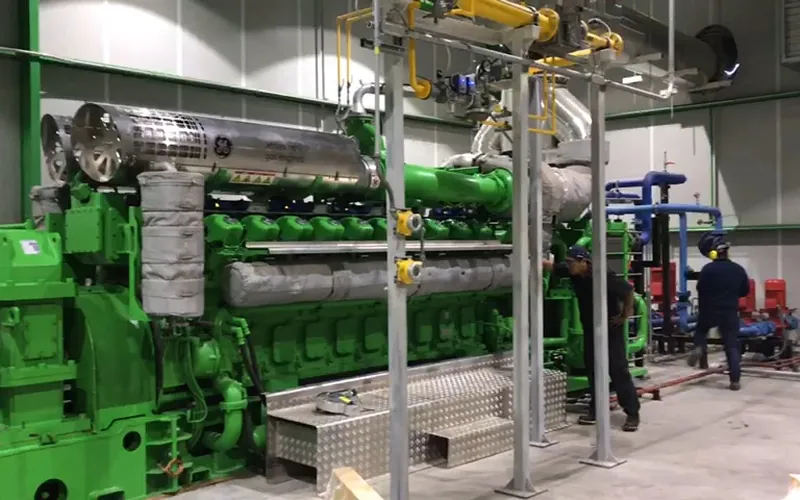 San Luis Potosí · 2018 · 9.5 MW
Logistik Industrial Park
3 × Jenbacher JMS620 on biogas: 9,561 kWe and 7,779 kWt.
View project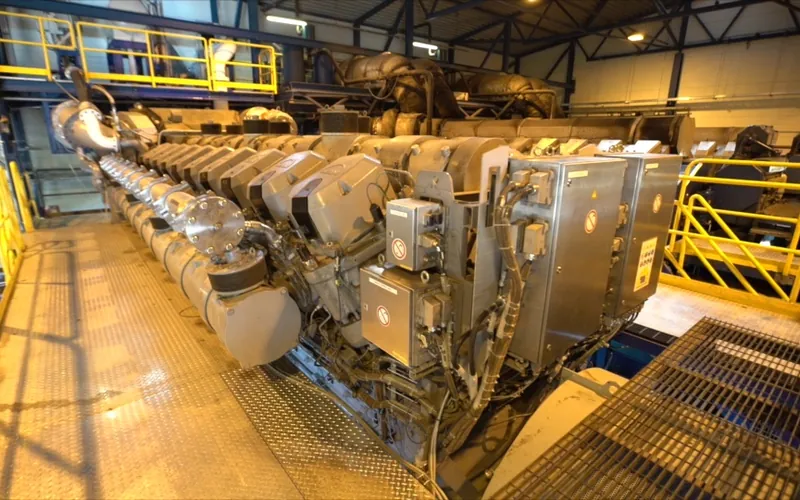 Villa de Reyes · 2019 · 10 MW
Pronal · Productora Nacional de Papel
A 10 MW plant for a continuous-process industry.
View project| Project | Location | Year | Scope | Capacity |
|---|---|---|---|---|
| Proteinol | Mérida, Yuc. | — | Design | 12 MW |
| Pronal (Productora Nacional de Papel) | Villa de Reyes, SLP | 2019 | EPC | 10 MW |
| Logistik Industrial Park | San Luis Potosí, SLP | 2018 | EPC | 9.5 MW |
| Residencial Bosque Real | Huixquilucan, State of Mexico | 2009 | EPC + O&M | 7.5 MW |
| Televisa Chapultepec and San Ángel | Mexico City | 2005–2006 | Study and engineering | 5 MW |
| Biotek · Cuadritos Industrial Park | Celaya, Gto. | 2012–2015 | EPC | 4.8 MW |
| Alestra Green Data Center | Querétaro, Qro. | 2013–2014 | EPC | 4.2 MW |
| BBVA Bancomer, Lago Esmeralda | Mexico City | 2014 | Feasibility study | 4 MW |
56+ MW of cogeneration developed in Mexico: includes studies and designs, not only installed plants. Source: PMI International and GIS Power project history.
A track record that starts in 1983
Cogeneration in critical facilitiesThe group’s cogeneration grew out of critical power. In 1999, PwC’s national headquarters in Mexico City was built with cogeneration and absorption chillers. In 2001 and 2002, phases I and II of Telemar in Rio de Janeiro included 6 MW of redundant cogeneration.
In Mexico, the group’s plants add up to 430,000+ estimated operating hours. Clients of the group since 1983 include Alestra, BBVA Bancomer, PwC, Telemar and Televisa.
Frequently asked questions
How much does cogeneration save?
It depends on how much heat the site uses and on the gas price against the power tariff. At Alestra, the documented savings were 45% of the energy cost. Feasibility calculates it from your site’s actual thermal balance.
What is the difference between cogeneration and trigeneration?
Cogeneration delivers power and heat; trigeneration adds cooling, with absorption chillers that use engine heat to produce chilled water, as at Alestra.
What if I want to add solar later?
The plant can be designed from the start to combine cogeneration with solar and storage (BESS), or they can be added later. Heat still comes from the engine; solar cuts engine hours and fuel.
Who owns the plant?
Either an SPV that sells you the power and heat, or your company, through a lease, a loan or cash. Contract terms run from 48 to 180 months, depending on the scheme.
Download
Corporate profile
Who we are, what we do, how to contract and the group's projects, in 4 pages to share with your team.
Download the profile (PDF, 1 MB)Let’s assess your site
Location, power and thermal demand, and available gas: that is where we start.
By sending you accept our privacy notice.