

Energy-intensive industry
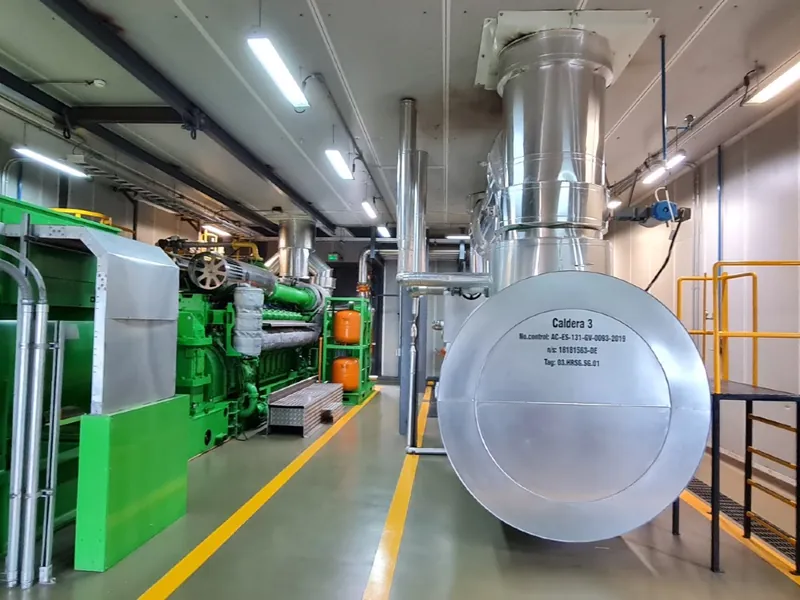
Pictured: Cuadritos engine hall, Celaya
- Pronal
- 10 MWfor a continuous-process paper mill, Villa de Reyes, SLP
- Energy generated
- 570+ GWhat Pronal, estimated to date
- Steam
- 4 tof steam at 7 bar from heat recovery at Cuadritos
- Useful heat
- 7,779 kWtof thermal capacity at Logistik
For energy-intensive industry
Power for plants that never stop
At a paper mill, a food plant or a chemical plant, energy is one of the largest costs and a shutdown costs production. GIS Power designs, finances, builds and operates on-site power: solar and BESS as primary power and, where the process uses heat, cogeneration with steam or chilled water.
What a continuous process needs
Cost, continuity and heatA continuous-process plant runs around the clock. It needs power at a predictable cost, without interruptions that trip the process and, often, heat as well: steam for drying or cooking, chilled water for cooling.
When a plant buys electricity from the grid and burns fuel separately for steam, it pays twice for its energy. Cogeneration produces both from the same fuel. Solar with BESS reduces the share of energy that depends on fuel.
The design starts from the plant’s real profile: how much electricity it uses each hour, how much heat and at what temperature, and which loads cannot stop.
When it is not a fit
- When the plant runs a single shift and its consumption is low: cogeneration needs operating hours to pay for itself.
- When the process does not use heat: then the conversation is solar with BESS, not cogeneration.
- When there is no access to natural gas or biogas and no room for solar.
Solutions
Each plant, its own mix
Solar and BESS first; heat where the process uses itSolar and BESS
Primary power on roofs or nearby land, with storage to shift solar energy to the hours the plant needs it.
Cogeneration with steam
Gas engines with heat recovery boilers feeding process steam. See cogeneration.
Precedents
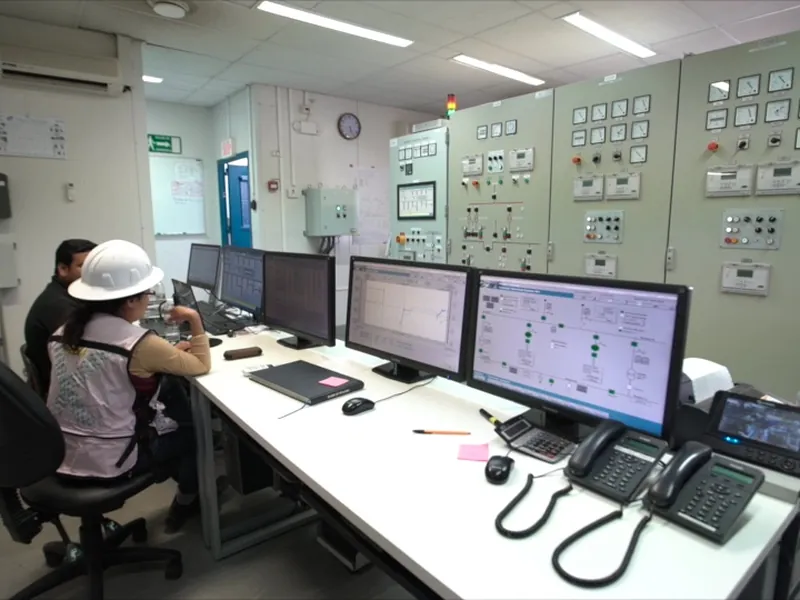
Industrial plants built by the group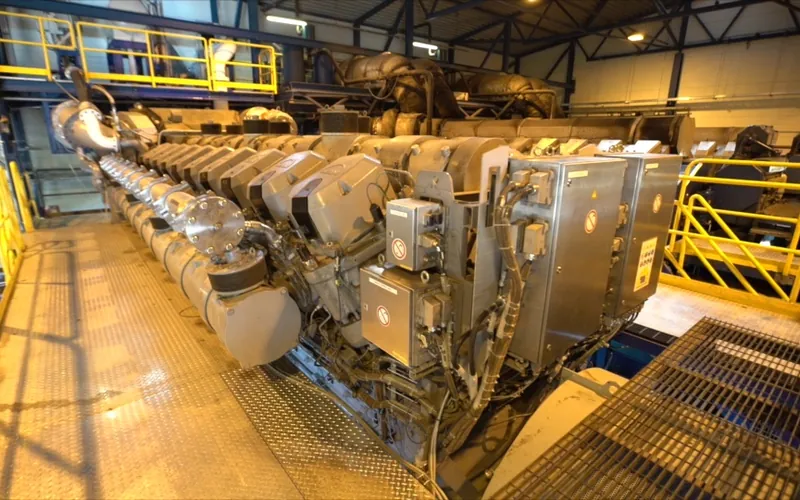 Villa de Reyes · 2019 · 10 MW
Pronal (Productora Nacional de Papel)
The largest plant the group has built in Mexico, for a continuous-process industry.
See project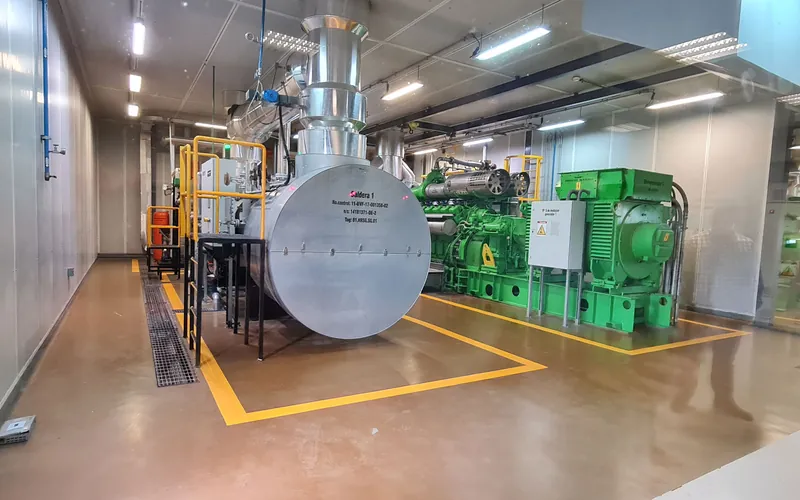 Celaya · 2015 · 4.8 MW
Biotek · Cuadritos Industrial Park
GE Jenbacher engines with heat recovery boilers producing 4 t of steam at 7 bar for the existing headers.
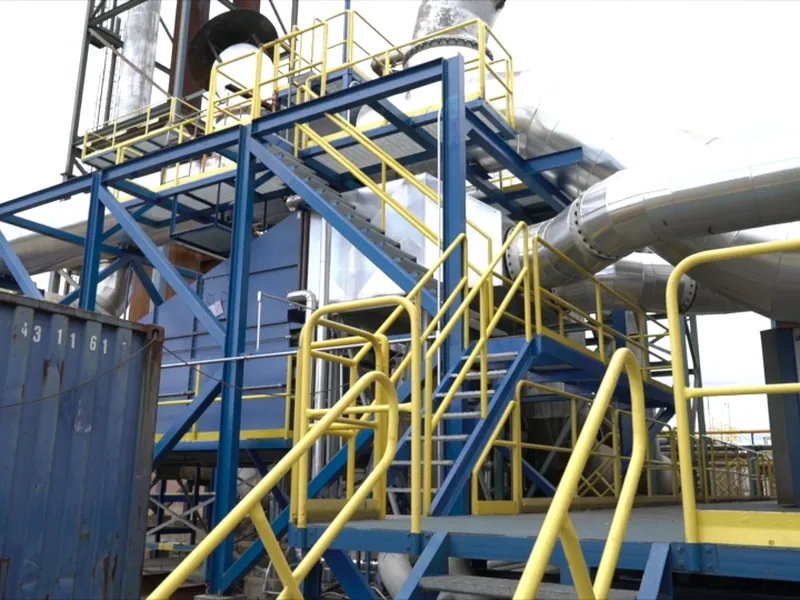
See project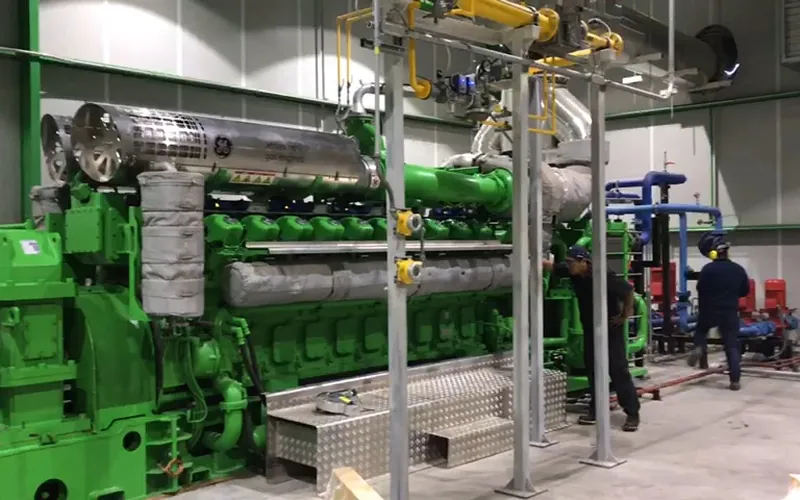 San Luis Potosí · 2018 · 9.5 MW
Logistik Industrial Park
Three Jenbacher JMS620 engines on biogas: 9,561 kWe of electrical and 7,779 kWt of thermal capacity.
See project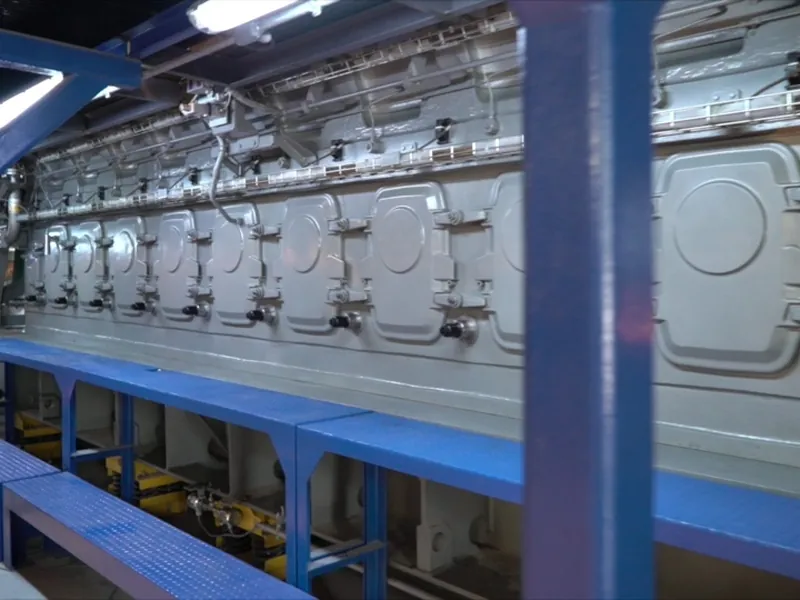
How it is financed
No upfront investment in the plant, if you so chooseThe plant can be owned by the manufacturer, under a design-and-build contract, or by a project company (SPV) that finances and operates it and sells the power, steam or chilled water under a long-term contract.
Terms run from 48 to 180 months depending on the structure: energy as a service, a power purchase agreement (PPA) or BOOT, in which the plant transfers to the manufacturer at the end of the term.
If you own the plant: Plan México
- Solar and efficient cogeneration equipment is 100% deductible in year one, with a minimum of 5 years of operation (Income Tax Law, art. 34, sec. XIII).
- Other electrical equipment can be deducted immediately at 56% (2025–2026) or 49% (2027–2030) under Plan México.
- Requires a certificate from the Evaluation Committee.
Decree, DOF 21-Jan-2025; guidelines, DOF 21-Mar-2025.
Frequently asked questions
Cogeneration or solar with BESS?
It depends on heat. If the process uses steam or chilled water year-round, cogeneration puts that heat to work. If not, primary power is solar with BESS. Many plants combine both.
Do I need a permit to generate at my plant?
From 0.7 MW, generation needs a CNE permit (Electricity Sector Law, art. 19). For grid-connected self-supply between 0.7 and 20 MW, a simplified process is possible (art. 30). See permitting and development.
What happens to the plant if production grows?
The plant is designed with room to grow in phases: more solar, more storage or more engines, according to the new load.
Let’s talk about your plant
Location, power consumption, steam or chilled water use and operating hours: that is where we start.
By sending you accept our privacy notice.