

Energy districts
One central plant for the whole park or development
- Industrial park
- 4.8 MWCuadritos, Celaya: power and steam for the park
- Steam
- 7 barfrom the heat recovery boilers to the park’s industry
- Residential development
- 7.5 MWBosque Real, Huixquilucan, on isolated supply
- A first
- 2009first residential and commercial self-supply permit
Energy districts
Energy as part of the park, not a separate service
An energy district is a central plant that supplies power and, where needed, steam or chilled water to an entire industrial park or development. For the developer, it is infrastructure that makes every lot more attractive; for the tenant, power available from the day it moves in.
What an energy district is
Energy and real estate in one projectInstead of each tenant solving its own power, the park or development has its own central plant: it generates the power, recovers heat for steam or chilled water and distributes it through an internal network. The plant grows in phases as tenants arrive.
In GIS Power’s approach, primary power for a new district is solar with storage (BESS). Cogeneration comes in where tenants have a thermal demand, as in a park with process industry.
Supply is solved first: at the Cuadritos Industrial Park, the project included its own pipeline to bring natural gas from PEMEX to the park.
When it is not a fit
- If the park already has grid supply with enough capacity and its tenants have no thermal demand.
- If occupancy is highly uncertain and there is no anchor tenant to support the plant’s first phase.
- If the developer does not want a long-term energy contract inside the park.
For the developer
What a district gives the park
And how it is structuredPower available
Lots are offered with power solved, without waiting for a grid upgrade.
Heat and cooling
Steam or chilled water for the industries that need them, from the same plant.
Phased growth
The plant grows with occupancy, without paying today for the full park’s capacity.
An SPV for the plant
The plant sits in its own company, separate from the real estate business.
Tenant contracts
Energy contracts of 48 to 180 months, depending on the scheme.
24/7 operation
Operation and maintenance with contracted availability.
Group references
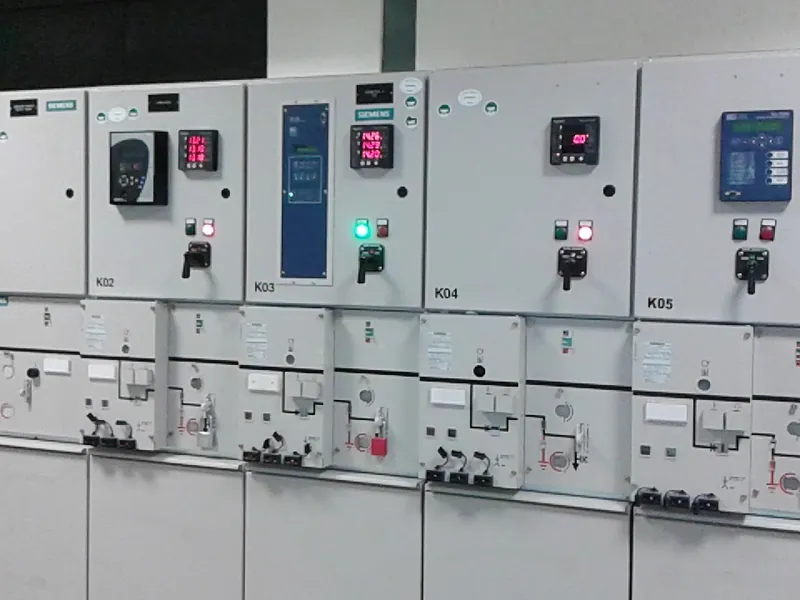
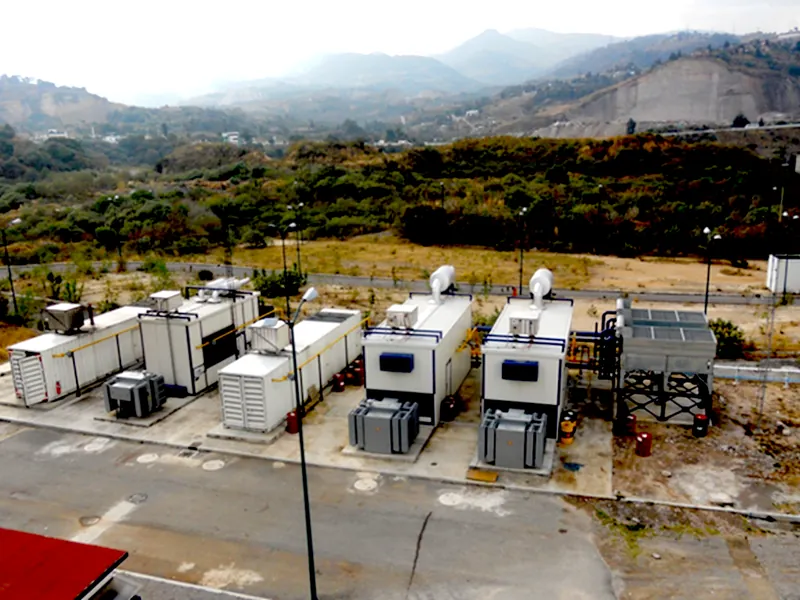
An industrial park and a residential development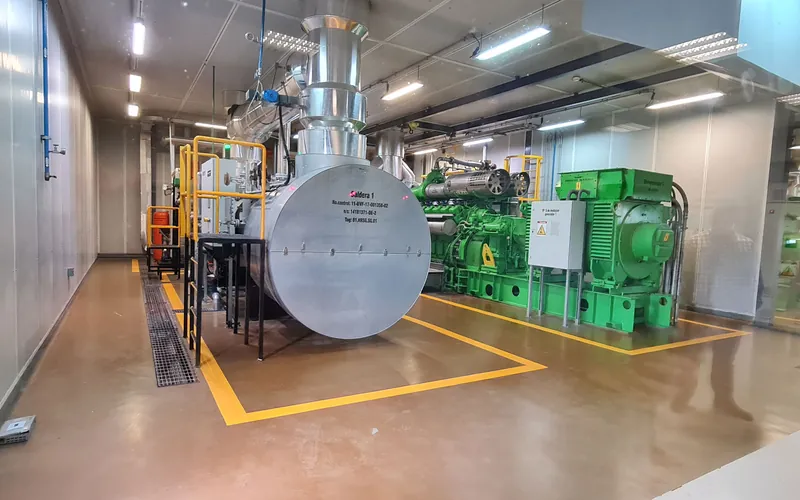 Celaya · 2012–2015 · 4.8 MW
Biotek · Cuadritos Industrial Park
Mexico’s first Green and Sustainable Industrial Park. Lean-burn GE Jenbacher engines, heat recovery boilers producing 4 t of steam at 7 bar, and a dedicated pipeline from PEMEX.
View project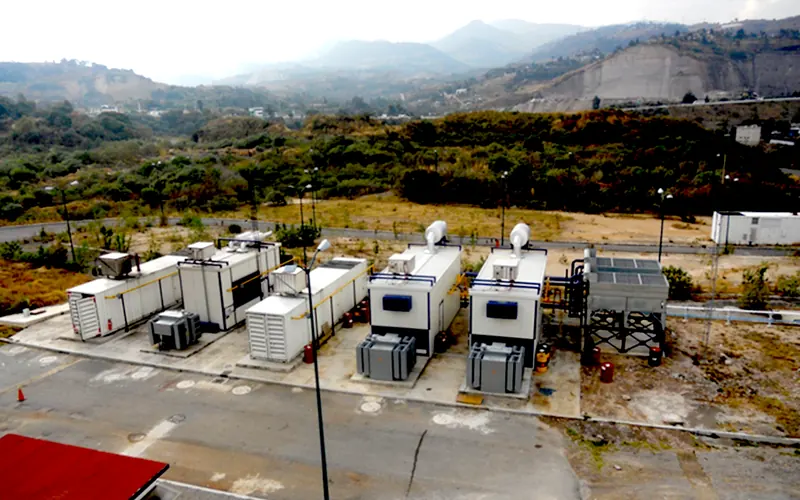 Huixquilucan · 2009 · 7.5 MW
Residencial Bosque Real
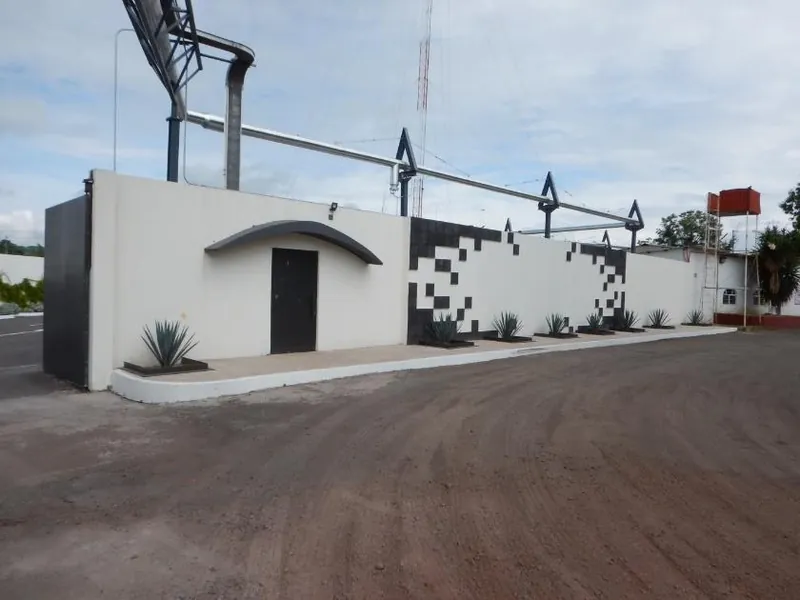
The plant that powers the entire development, on isolated supply. It is still operating today and is the homes’ electricity supply.
View project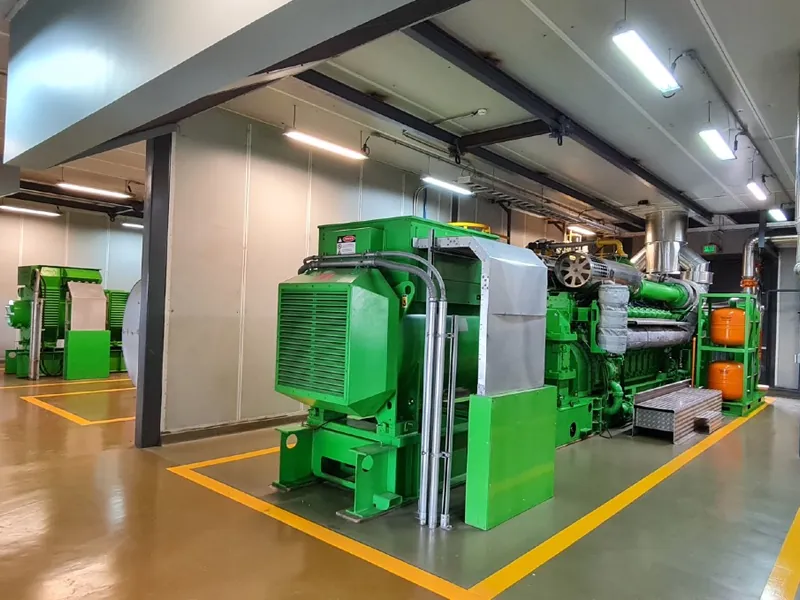
Frequently asked questions
Who invests in the central plant?
Usually a special purpose vehicle (SPV) that finances, builds and operates the plant, and sells the energy to tenants or to the developer. The developer can also take a stake in the SPV.
What if the park is not yet full?
The plant is designed in phases. The first is sized for the anchor tenants and grows as lots are occupied.
Can it be done in a park that is already operating?
Yes, if there is room for the plant and a route for the internal network. It starts by measuring the power and thermal demand of current tenants.
What permits does it need?
It depends on the capacity, on whether the plant connects to the grid and on how tenants are supplied. It is defined during feasibility under the current Electricity Sector Law.
Let’s discuss your park or development
Location, number of lots, tenants and expected demand: that is where we start.
By sending you accept our privacy notice.