

Gas-fired generation
Firm capacity, backup and peak power
- Peaking plant
- 9.5 MWLogistik, San Luis Potosí: 3 × Jenbacher JMS620 on biogas
- Continuous process
- 10 MWPronal, Villa de Reyes, SLP, 2019
- Gas supply
- 4.8 MWCuadritos, with its own pipeline from PEMEX
- Operation
- 430,000+ hestimated operating hours of the group’s plants in Mexico
Gas-fired generation
Gas engines where the load needs firm power
In GIS Power’s approach, primary power is solar with storage. Natural gas or biogas engines play a different role: they provide firm power when there is no sun or battery, cover peak hours and carry the load if the grid fails. The group has designed and built engine plants for industrial parks and industry in Mexico.
Three roles
What a gas plant is for
None of them competes with solar: they complete itBackup
Starts when the grid or primary power fails. Generation used only for emergencies or outages does not require a permit (LSE art. 19).
Complement
Covers the hours solar and BESS cannot reach, inside a hybrid plant under one control system.
Peaking plant
Runs during the highest-cost or highest-demand hours, like the Logistik plant for its industrial park.
How the decision is made
Gas comes in for what it adds, not out of habitA gas engine is justified when the cost of losing power is high, when peak grid tariffs are expensive, or when the site has a heat demand that turns the plant into cogeneration. If none of that applies, solar with storage and the grid are usually enough.
The plant is sized to the load curve and to the hours it will actually run. An engine that runs a few hours a year is designed as backup; one that runs all day is designed as a base-load or cogeneration plant, with different maintenance and a different gas contract.
When it is not a fit
- If there is no natural gas at the site with enough pressure and capacity, and no viable route to bring it.
- If the site’s grid supply is reliable and an outage costs little.
- If the plant would only run as base load with no thermal demand: solar with BESS usually does better there.
Gas supply
A plant is only as good as its gasGas is solved before the engine is designed: where it comes from, at what pressure, under what contract and who answers if it runs short. At the Cuadritos Industrial Park in Celaya, the project included its own pipeline to bring natural gas from PEMEX to the park.
Where there is organic waste, the fuel can be biogas, as at Logistik. The plant is then designed together with the digester and the variation in gas quality.
Group references
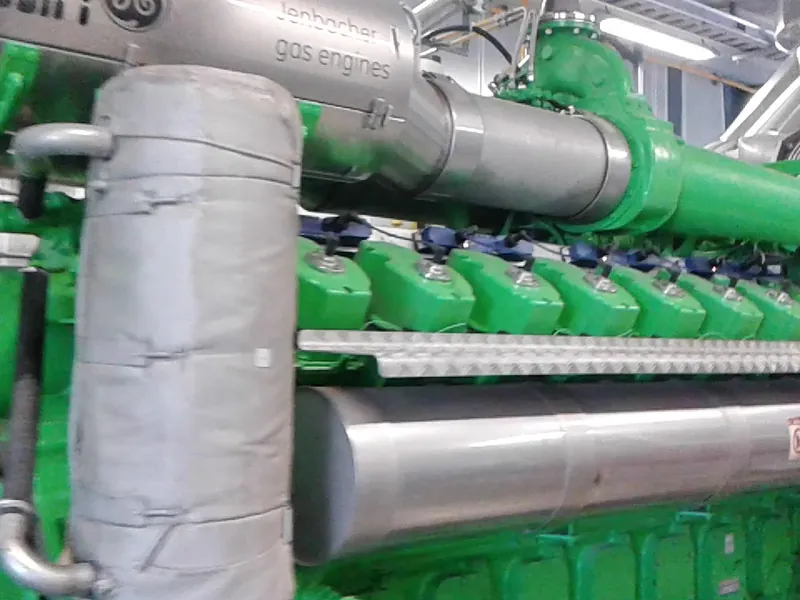
Engine plants designed and built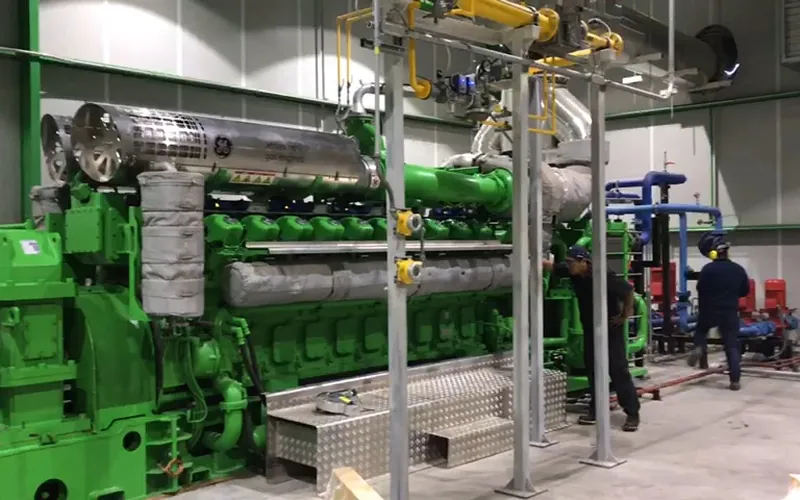 San Luis Potosí · 2018 · 9.5 MW
Logistik Industrial Park
3 × Jenbacher JMS620 on biogas, 9,561 kWe and 7,779 kWt, operating as a peaking plant.
View project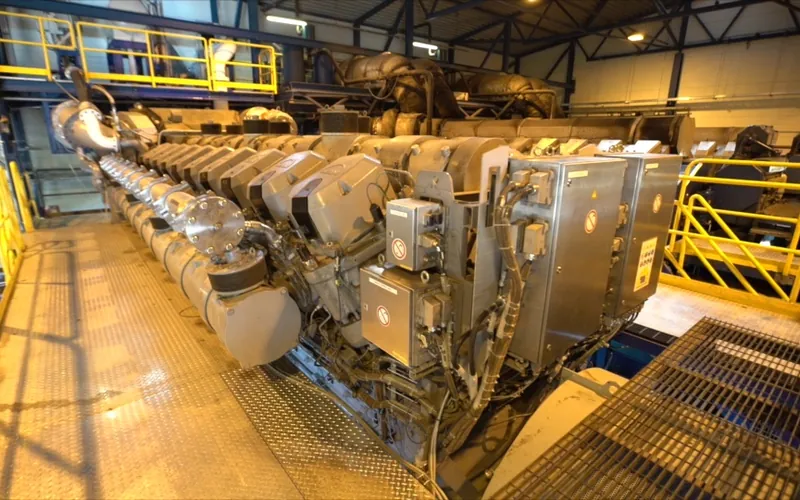 Villa de Reyes · 2019 · 10 MW
Pronal · Productora Nacional de Papel
A 10 MW plant for a continuous-process industry.
View project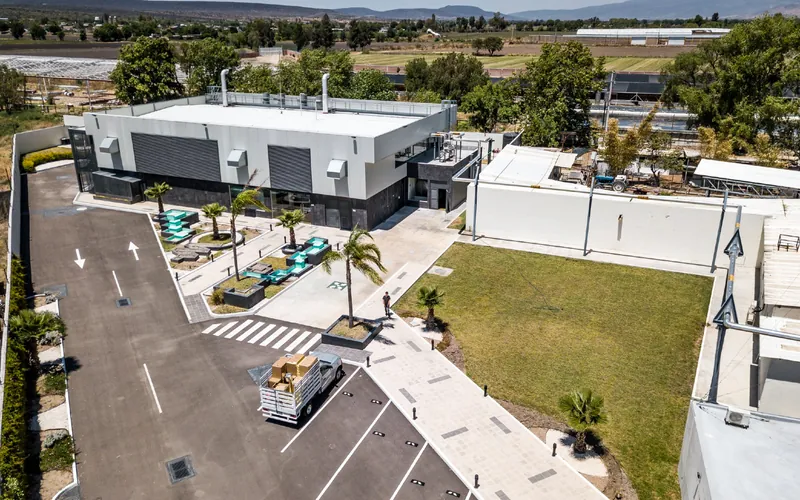 Celaya · 2015 · 4.8 MW
Biotek · Cuadritos Industrial Park
Lean-burn GE Jenbacher engines and a dedicated pipeline from PEMEX.
View projectFrequently asked questions
Does a backup plant need a permit?
Generation used only for emergencies or outages does not require a permit (LSE art. 19). If the plant runs regularly, the applicable scheme is reviewed based on its capacity and its grid connection.
What is a peaking plant?
A plant that runs during the hours of highest demand or highest energy cost, rather than all day. Logistik runs this way for its industrial park.
Natural gas or biogas?
It depends on what the site has. Natural gas requires a pipeline or a reliable supply; biogas requires organic waste and a digester. The engines are specified for the fuel that will be used.
What equipment do you use?
We work with brand-authorized commercial partners, including INNIO Jenbacher and Guascor.
Let’s discuss your plant
Location, demand, operating hours and available gas: that is where we start.
By sending you accept our privacy notice.